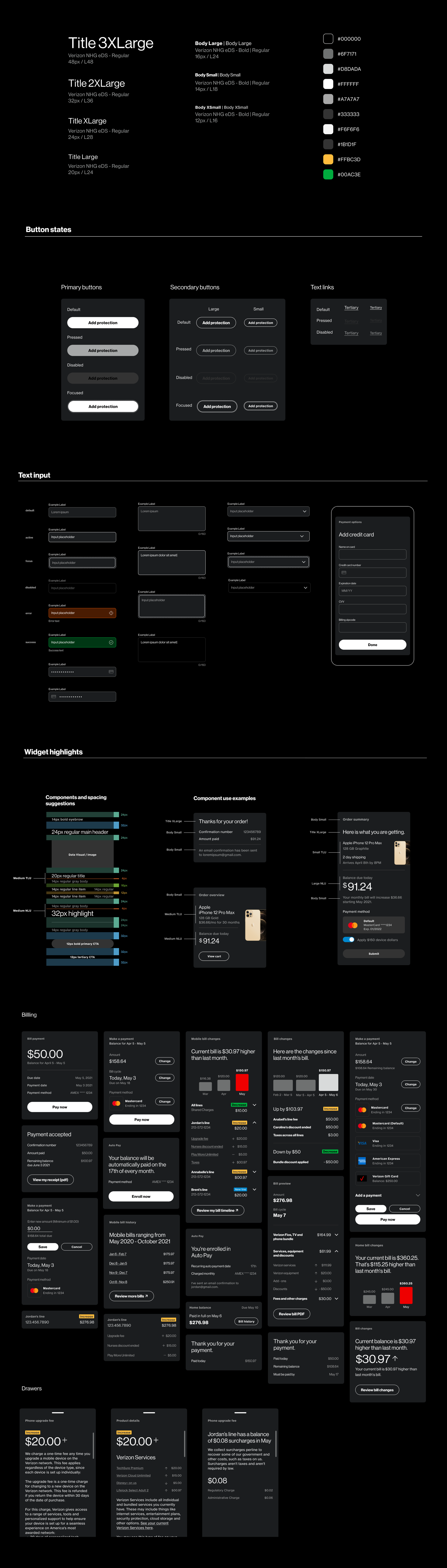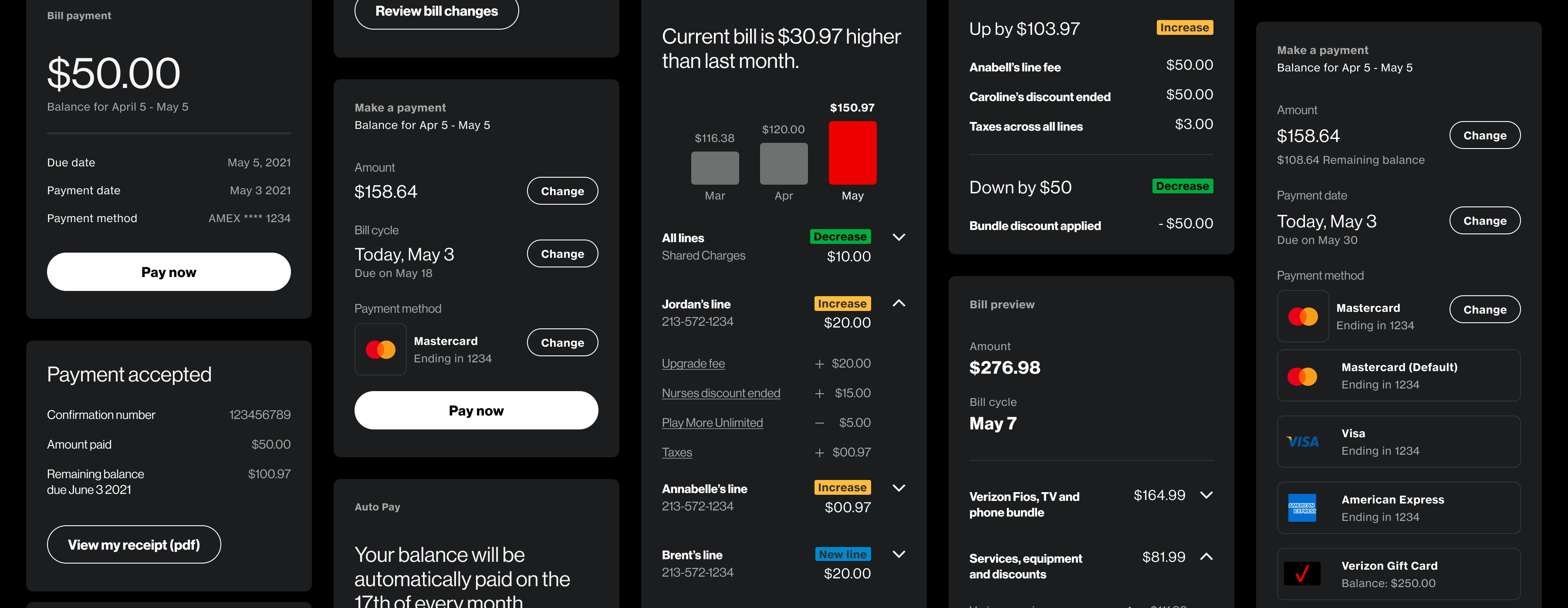
Built a scalable conversational design system that delivers intelligent, on-brand experiences for Verizon's AI Assistant while supporting seamless integration across platforms.
I designed a comprehensive conversational design system from the ground up, defining core UX/UI patterns and creating modular, reusable components. My work ensured a cohesive, on-brand user experience across platforms and established a scalable foundation for future growth. I also designed user flows to optimize interaction and navigation, enabling seamless and efficient user experiences.
ProblemThe Verizon AI Assistant lacked a unified design framework. A modular, flexible system was required to empower internal and third-party teams with reusable components, enabling easy updates and consistent designs.
GoalCreate a modular and reusable design system to enhance the AI Assistant's look and feel, ensure cross-channel consistency, and support scalability. The system would integrate seamlessly with Verizon Design System (VDS) 3.0 to maintain a unified user experience and enable future innovation.
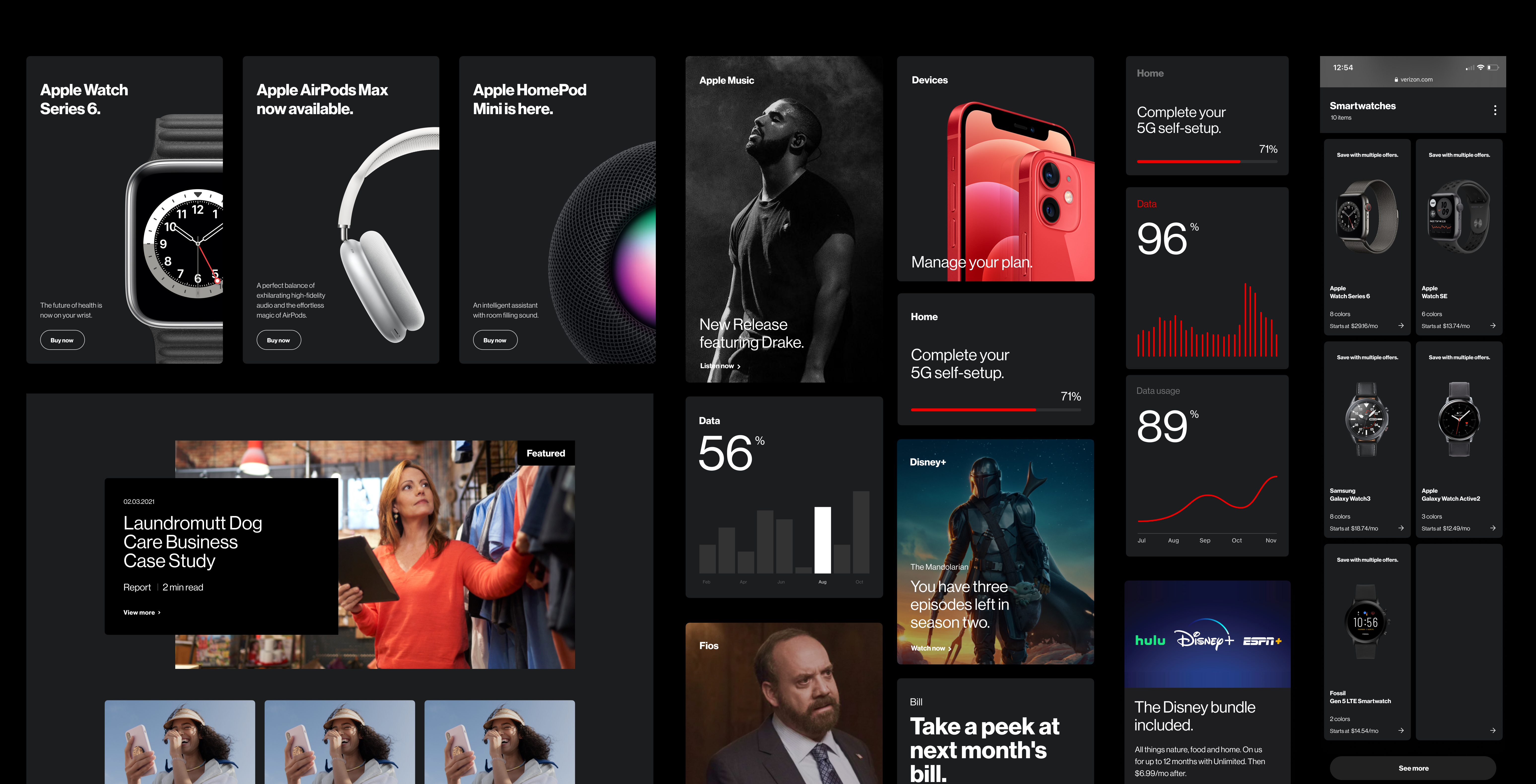
Verizon Design System 3.0.While a second agency developed the updated look and feel for VDS 3.0, my team was tasked with creating a complementary conversational design system (CDS). This system would empower internal and external teams to design conversational interactions consistently across digital touchpoints.
What is Conversational Design?Conversational design focuses on user interfaces that rely on natural language, spanning applications from chatbots to AI assistants like Siri and Alexa. Verizon's conversational UI, embodied by the Verizon Assistant, emphasizes speed and summary, helping customers accomplish tasks efficiently.
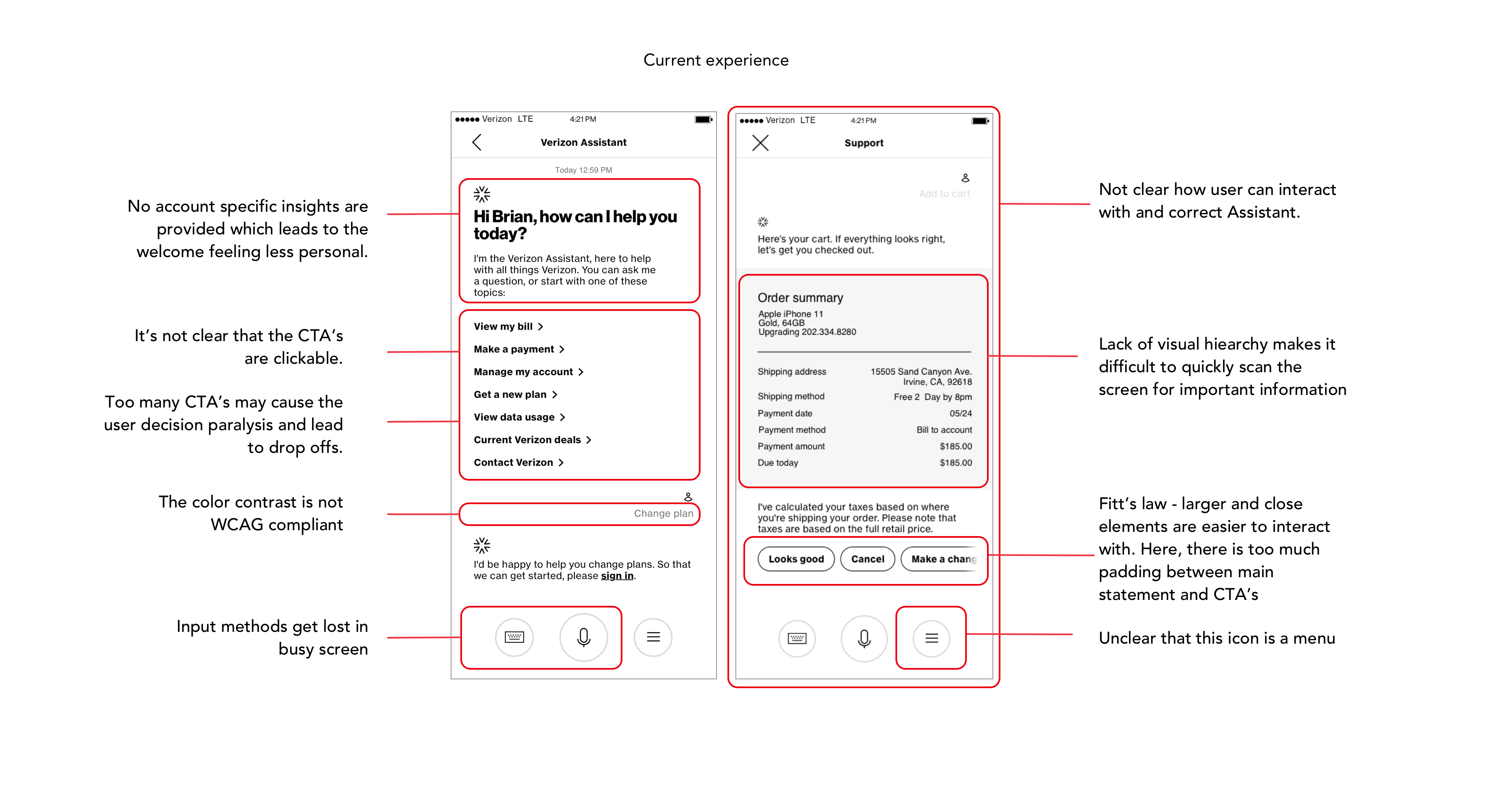
What's Not Working?I reviewed the existing Verizon Assistant experience to identify opportunities for improvement. While the foundation was strong, there was significant potential to enhance usability and consistency.
The Assistant was designed to align with VDS 3.0 while maintaining a distinct, conversation-focused interface. I leveraged a dark theme to emphasize its role as a key element of the digital experience.
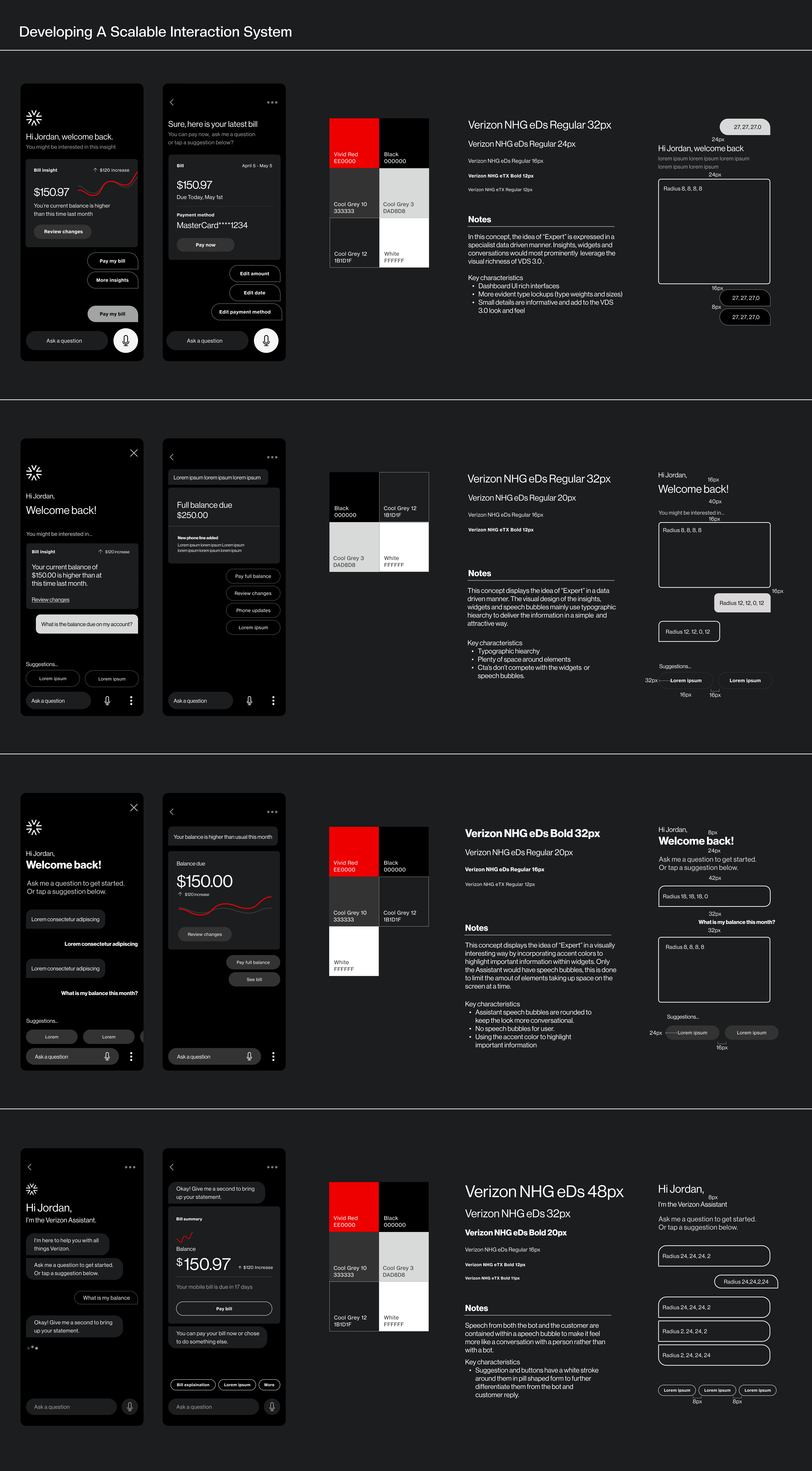
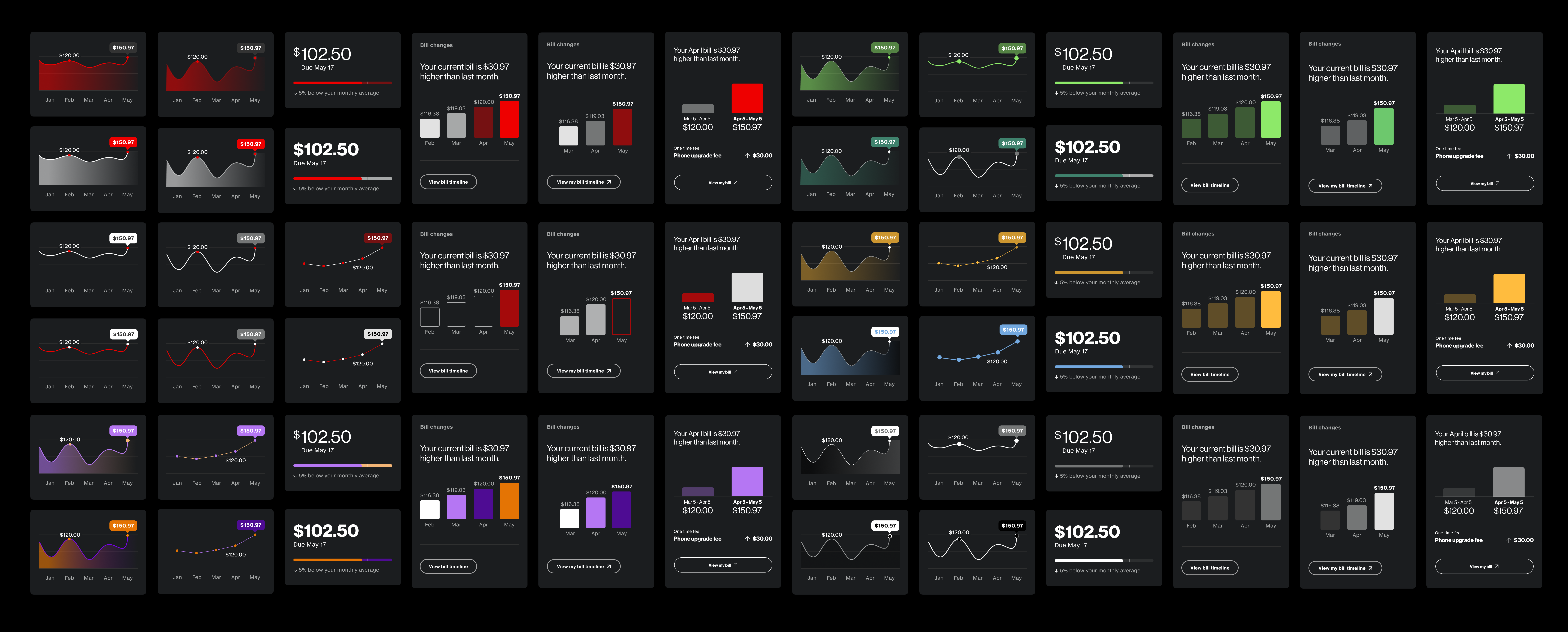
To complement the dark theme, I developed color explorations aligned with the new VDS 3.0 palette, ensuring visual harmony and consistency across systems.
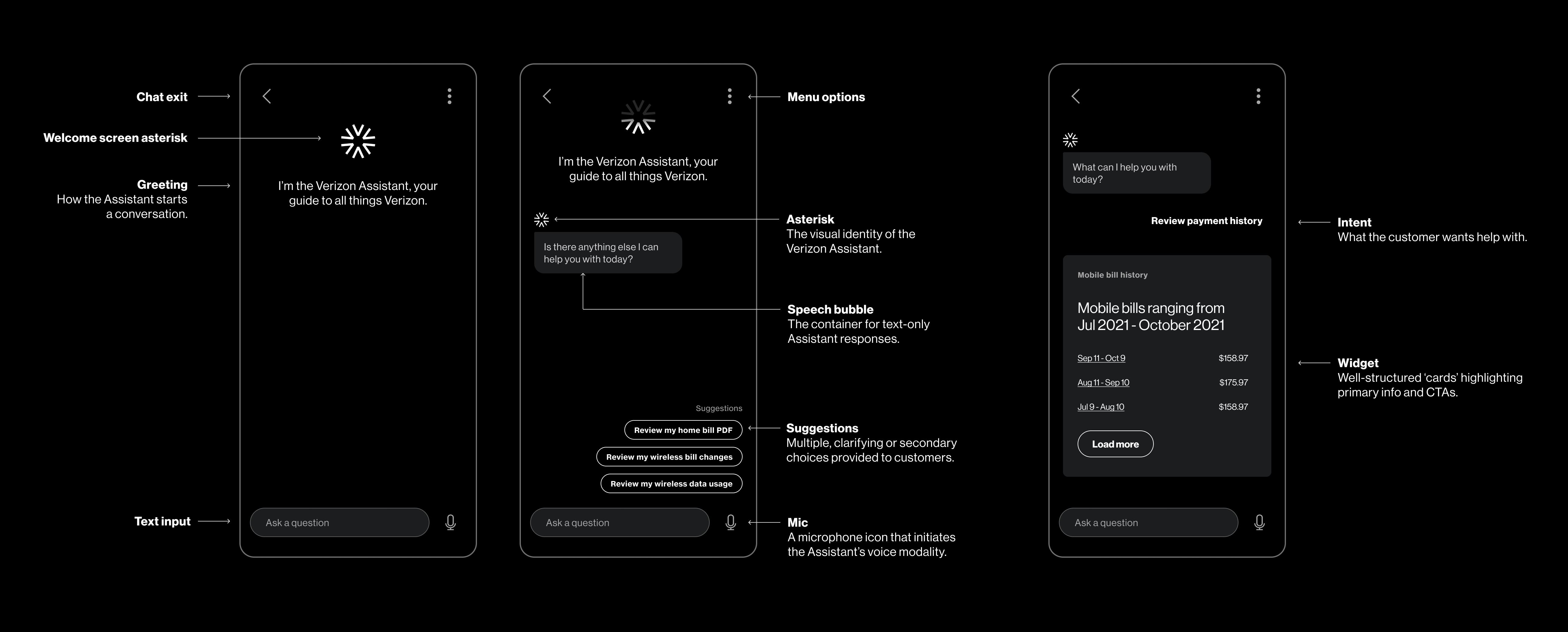
Anatomy of a Conversation.Internal brainstorming revealed that effective conversations emphasize efficiency and clarity. The updated voice, tone, and personality shaped conversation flows, enabling the Assistant to guide users through tasks quickly and effectively.
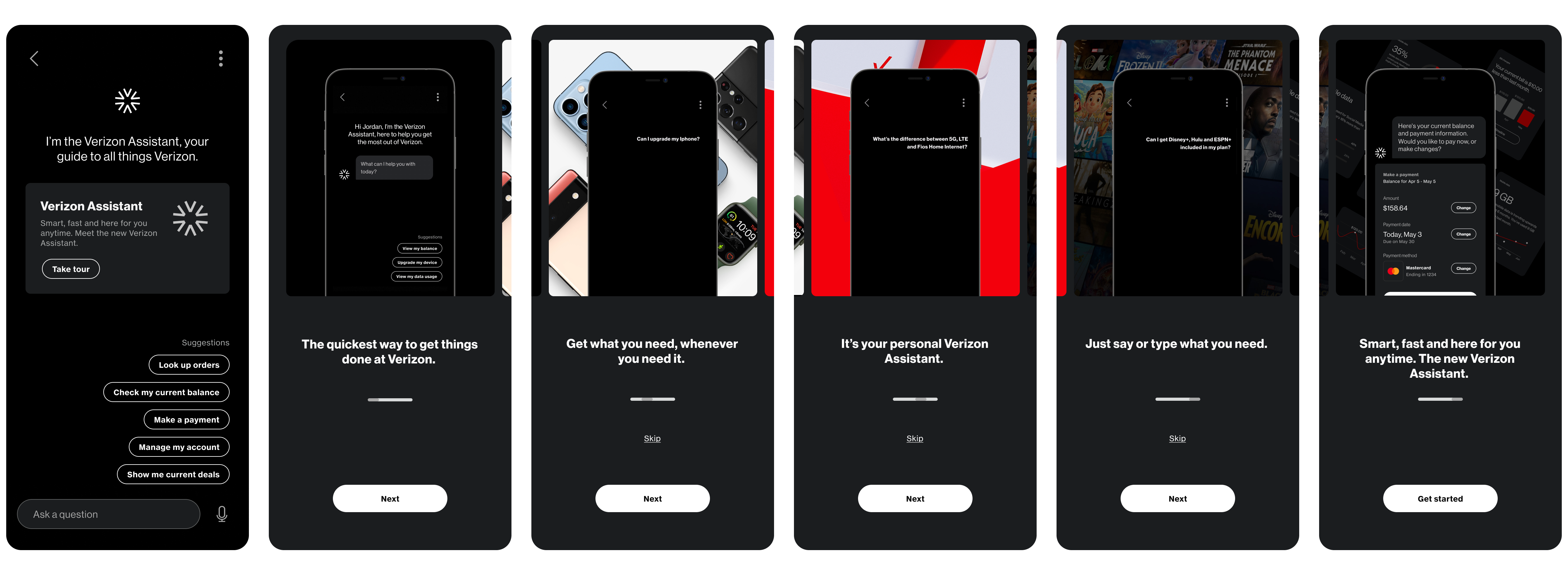
An onboarding tour that introduces key capabilities and teaches users how to navigate, building confidence before they ever send a message.
The Assistant simplifies the payment process with clear, step-by-step guidance, ensuring ease of use.
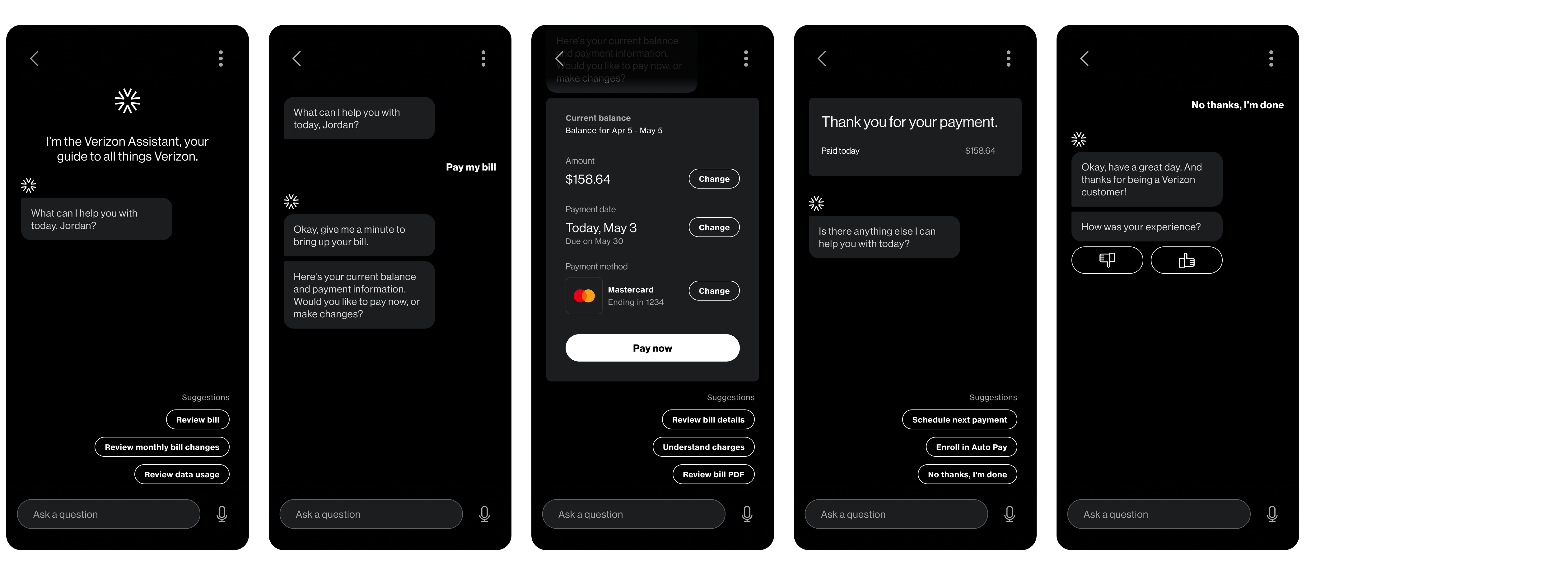
The Assistant provides on-demand support and proactively offers personalized insights at key moments.
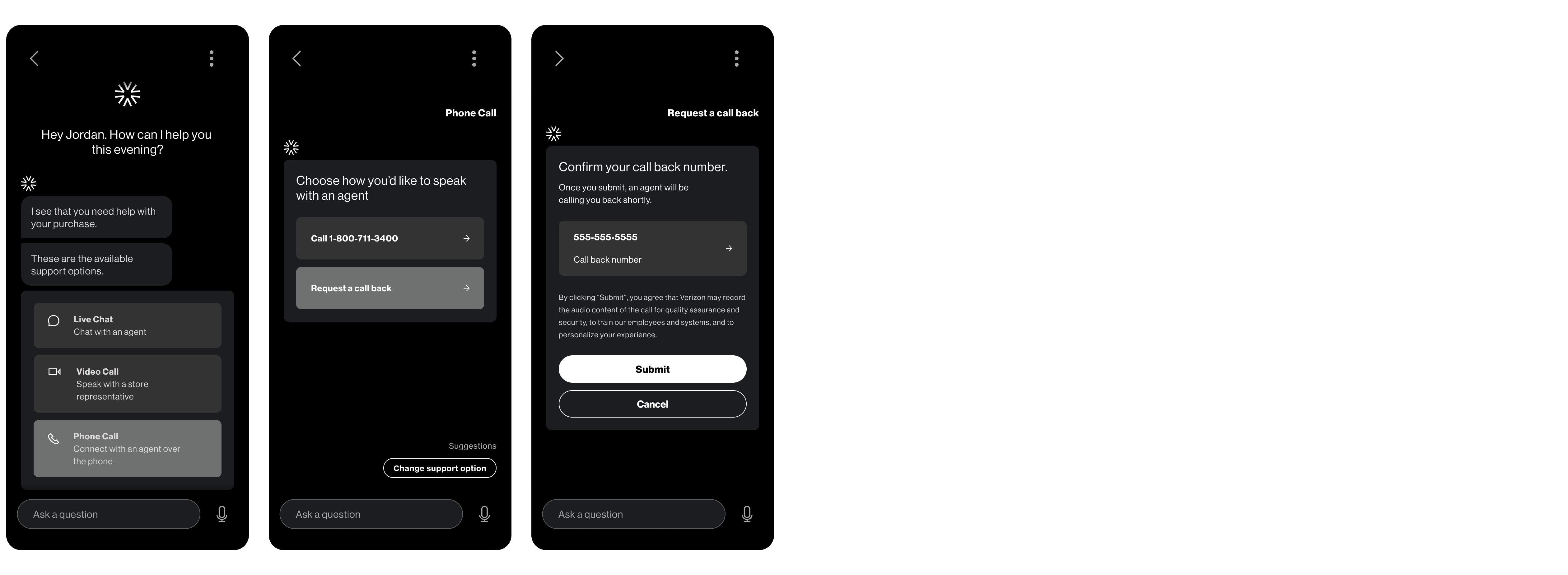
Optimized for user efficiency, consistency, and scalability across touchpoints.